
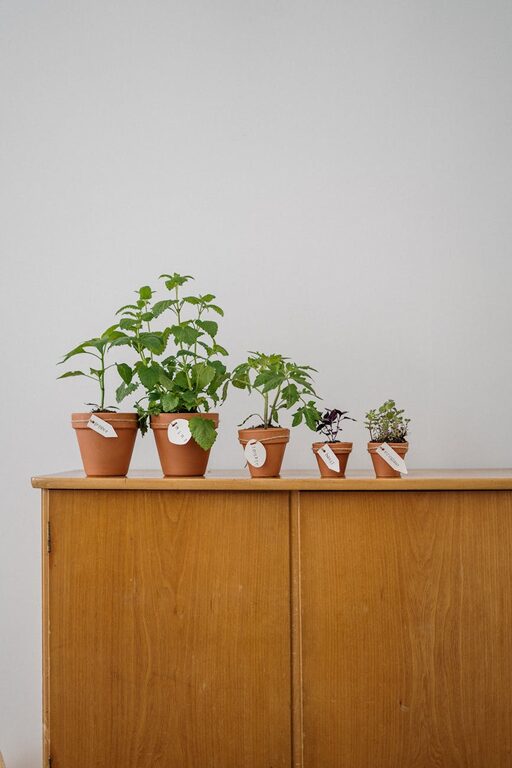
Starting a small herb garden indoors is a delightful way to add fresh flavors to your cooking and bring a bit of nature into your home. Whether you have limited outdoor space or want fresh herbs year-round, growing your own herbs inside is both practical and rewarding. Here’s a friendly, step-by-step guide to help you get started.
Why Grow Herbs Indoors?
Indoor herb gardening offers several benefits:
– Freshness: Pluck fresh herbs whenever you need them.
– Convenience: Have a mini garden right in your kitchen or living room.
– Air quality: Some herbs improve the air by releasing pleasant aromas.
– Satisfaction: Growing your own plants offers a great sense of accomplishment.
You don’t need a big yard or expensive equipment—just a little space, a few pots, and some patience.
Choosing the Right Herbs
Some herbs are better suited for indoor growing because they adapt well to container life and limited sunlight.
Best herbs for indoor gardens:
– Basil: Perfect for cooking, loves warmth and light.
– Parsley: Hardy and versatile, needs moderate light.
– Mint: Easy to grow but can spread quickly, so keep it contained.
– Chives: Need less light and add a mild onion flavor.
– Thyme: A drought-tolerant herb that thrives indoors.
– Oregano: Likes bright light and well-draining soil.
– Cilantro: Needs cooler temperatures and good light.
Choose 3-5 herbs to begin with—this keeps care simple and fun.
What You’ll Need
Before you start, gather these supplies:
– Pots or containers: Choose pots with drainage holes. You can use traditional pots, recycled containers, or specialized herb planters.
– Potting soil: Use a light, well-draining potting mix designed for herbs or indoor plants.
– Herb seeds or starter plants: Beginners might prefer small starter plants for quicker results.
– Watering can: Handy for controlled watering.
– Grow light (optional): If your natural light is limited, a small LED grow light helps herbs thrive.
– Labels: To keep track of what you planted.
Planting Your Herbs
Step 1: Prepare Your Containers
Fill your pots with potting soil, leaving about an inch of space at the top. Avoid using garden soil as it may not drain well indoors.
Step 2: Plant Seeds or Seedlings
– For seeds: Follow package instructions on planting depth and spacing. Lightly cover the seeds with soil.
– For seedlings: Dig a small hole and gently place the roots in, then cover with soil and pat lightly.
Step 3: Water Gently
Water the soil until it is evenly moist but not soaking wet. Good drainage is important to prevent root rot.
Finding the Best Spot
Herbs need plenty of light to grow healthy.
– Ideal location: A south- or west-facing windowsill with at least 4-6 hours of direct sunlight.
– If natural light is limited: Use a grow light placed 4-6 inches above the plants for 12-14 hours a day.
– Rotate pots regularly for even growth.
Caring for Your Indoor Herb Garden
Watering
Check the soil every couple of days. Water when the top inch feels dry. Overwatering is a common mistake, so ensure pots drain well.
Fertilizing
Feed your herbs with a diluted, balanced liquid fertilizer every 4-6 weeks. Avoid over-fertilizing, which can reduce the herbs’ flavor.
Pruning and Harvesting
Regular harvesting encourages new growth.
– Pinch off the top leaves regularly.
– Avoid cutting more than one-third of the plant at once.
– Use clean scissors to trim herbs for cooking.
Managing Pests
Indoor herbs rarely have serious pest problems, but watch for:
– Aphids
– Spider mites
– Fungus gnats
If pests appear, gently wash the leaves or use natural remedies like neem oil.
Troubleshooting Common Problems
– Yellow leaves: Overwatering or poor drainage.
– Leggy plants: Not enough light—try moving to a sunnier spot or add grow lights.
– Slow growth: Check watering routine and nutrition.
Helpful Tips for Success
– Start small and expand as you get more confident.
– Label your plants to identify herbs easily.
– Keep your garden clean and remove dead leaves promptly.
– Experiment with different herbs to discover your favorites.
Final Thoughts
Starting a small indoor herb garden is a rewarding and accessible way to nurture plants, spice up your meals, and brighten your indoor space. With just a few supplies and some care, you can create a thriving garden that brings fresh herbs to your fingertips all year long.
Happy gardening!