
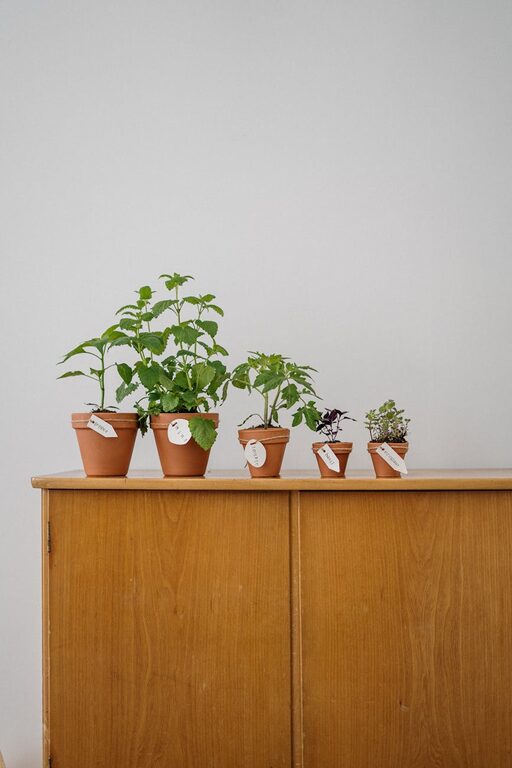
Starting a small herb garden indoors is a rewarding and practical way to bring fresh flavors into your kitchen and add a touch of greenery to your living space. Whether you have limited outdoor space or want herbs easily accessible year-round, indoor gardening is a fantastic option for beginners and experienced gardeners alike.
In this guide, we will walk you through the essentials of setting up an indoor herb garden, from choosing the right herbs to tips for maintaining healthy plants.
Why Start an Indoor Herb Garden?
Growing herbs indoors offers several benefits:
– Freshness: Harvest herbs when needed for the best flavor.
– Convenience: Easily access ingredients for cooking without stepping outside.
– Aesthetics: Add natural beauty and a pleasant aroma to your home.
– Year-Round Growth: Many herbs thrive indoors even in winter.
– Therapeutic: Gardening can be a relaxing and fulfilling hobby.
Choosing the Right Herbs
Not all herbs flourish equally indoors, so it’s important to pick varieties suited to container growing and indoor conditions. Some easy-to-grow herbs for beginners include:
– Basil: Prefers bright light, perfect for windowsills.
– Parsley: Grows well in moderate light and is versatile.
– Chives: Hardy and compact, great for small containers.
– Mint: Vigorous grower but can take over, so pot it separately.
– Thyme: Drought tolerant and needs less frequent watering.
– Oregano: Requires good light and well-draining soil.
– Cilantro: Likes cooler temperatures and bright indirect light.
Start with 3-5 herb varieties based on your cooking preferences and the lighting available in your home.
Selecting Containers and Soil
Containers
Choose pots with drainage holes to prevent root rot. You can use:
– Traditional terracotta or ceramic pots
– Recycled containers like mason jars or tin cans (just ensure drainage)
– Specialized herb garden kits with compartments
Aim for containers at least 4-6 inches deep to accommodate root growth.
Soil
Use a high-quality potting mix designed for indoor plants. Avoid garden soil as it may be too heavy and contain pests. A potting mix formulated for herbs or vegetables is ideal because it drains well but retains moisture.
Finding the Perfect Spot
Most herbs need plenty of light to thrive, ideally 6-8 hours of sunlight daily. Good options include:
– South or west-facing windows
– Brightly lit kitchens or sunrooms
– Under grow lights if natural sunlight is insufficient
If natural light is limited, consider using LED grow lights designed for indoor plants. Position lights about 6-12 inches above plants for 12-16 hours per day.
Planting Your Herbs
You can start your indoor herb garden from seeds, seedlings, or cuttings.
From Seeds
– Fill containers with moistened potting mix.
– Plant seeds according to package instructions, usually just beneath the soil surface.
– Keep soil consistently moist but not soggy.
– Germination times vary, but most herbs sprout within 7-14 days.
From Seedlings
Buying young plants from a nursery is quicker and often easier. Gently remove seedlings from their nursery pots and transplant into your chosen containers with fresh potting mix.
From Cuttings
Some herbs like mint or basil can easily root from cuttings in water before planting in soil.
Caring for Your Indoor Herb Garden
Watering
Herbs generally prefer slightly moist soil. Water when the top inch of soil feels dry. Avoid overwatering, which can cause root rot.
Feeding
Feed herbs with a diluted balanced liquid fertilizer about once a month during active growth. Avoid over-fertilizing, as it may affect flavor.
Pruning and Harvesting
Regularly pinch off the tips of herbs to encourage bushier growth and prevent flowering, which can reduce leaf quality. Harvest leaves as needed by cutting above a leaf node or joint.
Pests and Problems
Indoor herbs can occasionally face challenges like aphids, spider mites, or fungal issues. Maintain good air circulation, avoid overwatering, and wipe leaves regularly to reduce problems. If pests appear, treat gently with insecticidal soap or neem oil.
Tips for Success
– Rotate pots periodically to ensure even light exposure.
– Use labels to keep track of different herbs.
– Group plants with similar light and water needs together.
– Experiment with different varieties to find what grows best in your space.
– Keep pets in mind; some herbs are toxic to cats or dogs.
Final Thoughts
Starting a small indoor herb garden can be both enjoyable and useful. With the right choice of herbs, suitable containers, adequate light, and consistent care, you’ll soon have fresh, aromatic herbs available at your fingertips. Not only does this enhance your culinary creations, but it also brings the benefits of nature inside your home.
Give it a try and watch your indoor garden flourish!