
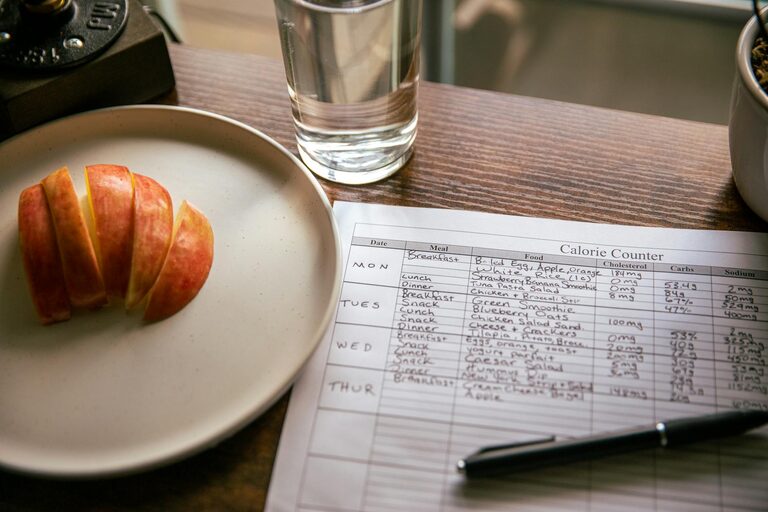
Creating a weekly meal plan doesn’t have to be complicated or time-consuming. With a simple strategy, you can save money, reduce last-minute stress, and enjoy more balanced meals throughout the week. Whether you’re cooking for yourself, a family, or roommates, a weekly meal plan can make eating well easier and more enjoyable.
In this guide, we’ll walk you through the basics of creating a simple weekly meal plan and share practical tips to get started. Let’s dive in!
Why Create a Weekly Meal Plan?
Before jumping into the “how,” it helps to understand the benefits of meal planning:
– Saves Time: Planning meals ahead means fewer trips to the grocery store and less time deciding what to eat every day.
– Reduces Food Waste: Knowing what you’ll cook helps you buy only what you need, minimizing waste.
– Supports Healthier Choices: Planning meals allows you to balance your diet and avoid last-minute unhealthy options.
– Saves Money: Buying groceries for planned meals helps you stick to a budget and avoid impulse purchases.
– Less Stress: You don’t have to worry daily about what’s for dinner!
Step 1: Set Your Goals and Preferences
Start by asking yourself a few simple questions:
– How many meals do you want to plan? (Breakfast, lunch, dinner, snacks?)
– Are there any dietary restrictions or allergies to consider?
– How much time do you have for cooking each day?
– Do you prefer batch cooking or fresh meals daily?
– Any favorite cuisines or recipes you want to include?
Knowing your goals and preferences will shape the meal plan to fit your lifestyle.
Step 2: Gather Inspiration and Recipes
Collect a handful of easy and favorite recipes to build your plan around. You can use:
– Family recipes
– Cookbooks or cooking websites
– Recipe apps for beginners
– Simple, versatile ingredients like pasta, rice, vegetables, and protein sources
Choose meals that appeal to you and suit your time availability. For example, keep weeknight dinners quick and save more elaborate dishes for weekends.
Step 3: Create a Weekly Template
Draw up a simple table or use a printable planner with days of the week and meal slots. Here’s a basic example:
| Day | Breakfast | Lunch | Dinner | Snacks |
|———–|—————–|—————–|—————–|—————|
| Monday | | | | |
| Tuesday | | | | |
| Wednesday | | | | |
| Thursday | | | | |
| Friday | | | | |
| Saturday | | | | |
| Sunday | | | | |
This visual overview helps to plan variety and avoid repeating the same meals.
Step 4: Fill in Your Meal Plan
Start filling in the template by:
– Assigning easy or leftover meals on busy days.
– Planning batch cook days to prepare extras for lunches or dinners.
– Including a mix of protein, vegetables, and grains for balanced meals.
– Adding simple breakfasts like oatmeal, smoothies, or eggs.
– Scheduling snacks like fruits, nuts, or yogurt.
Don’t worry about making every meal perfect. Flexibility is key!
Step 5: Make a Grocery List
Once your plan is set, list out all ingredients you’ll need. Group items by category, such as:
– Produce
– Dairy
– Meat/Protein
– Pantry staples (spices, grains)
– Frozen foods
Check your kitchen for items you already have to avoid duplicates. A well-organized grocery list speeds up shopping and prevents impulse buys.
Step 6: Prep Ahead When Possible
Spend some time after grocery shopping prepping ingredients:
– Wash and chop vegetables.
– Cook grains or proteins in advance.
– Portion snacks into containers.
Prep work cuts down daily cooking time and makes meals easier to assemble.
Bonus Tips for Successful Meal Planning
– Stay Flexible: It’s okay to swap meals if plans change or cravings hit.
– Use Leftovers Creatively: Turn dinner leftovers into next-day lunches or new dishes.
– Rotate Favorite Recipes: Keep your plan fresh by switching meals weekly or monthly.
– Include Treats: Plan occasional desserts or comfort foods to stay motivated.
– Involve Family: Get input from others to make meals everyone enjoys.
Sample Simple Weekly Meal Plan
Here’s an example to inspire you:
| Day | Breakfast | Lunch | Dinner | Snacks |
|———–|———————-|———————|———————-|——————|
| Monday | Greek yogurt + fruit | Chicken salad wrap | Stir-fried veggies + rice | Carrot sticks + hummus |
| Tuesday | Oatmeal with nuts | Leftover stir fry | Spaghetti with tomato sauce | Apple slices |
| Wednesday | Smoothie (banana, spinach) | Turkey sandwich | Baked salmon + quinoa + broccoli | Mixed nuts |
| Thursday | Scrambled eggs + toast | Soup + side salad | Vegetable curry + rice | Yogurt |
| Friday | Whole grain cereal | Leftover curry | Homemade pizza with veggies | Popcorn |
| Saturday | Pancakes + berries | Grilled chicken salad | Beef tacos | Fruit salad |
| Sunday | Avocado toast | Tuna salad wrap | Roast chicken + veggies | Dark chocolate |
Final Thoughts
Starting a weekly meal plan may take a little extra time at first, but once you get into a rhythm, it becomes a helpful and enjoyable habit. With better organization and preparation, you’ll spend less time stressing about meals and more time enjoying them. Give this easy system a try and see how it transforms your weeks!