
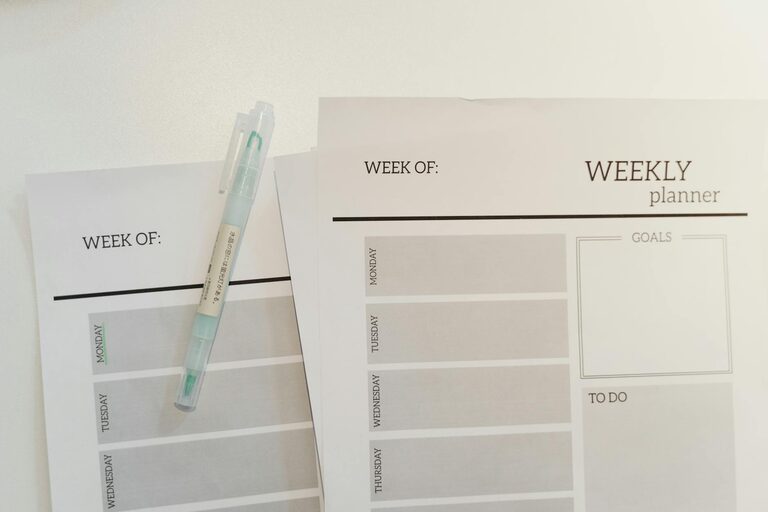
Starting each week with a clear mind and organized space can make a significant difference in productivity and well-being. A weekly reset routine is a dedicated time to reflect, refresh, and prepare for the coming days. Whether you prefer spending a few quiet moments alone or tackling small tasks around the house, designing a weekly reset routine helps you approach your week with intention and calm.
In this post, we’ll walk through practical steps to create your own weekly reset routine that fits your lifestyle.
What Is a Weekly Reset Routine?
A weekly reset routine is a set of activities you do once a week to clear mental clutter, organize your surroundings, and recharge yourself. It can include everything from tidying your workspace, meal planning, setting goals, to mindfulness practices. The goal is to end one week with closure and begin the next with clarity.
Benefits of a Weekly Reset Routine
– Improved focus: Clearing your environment and mind reduces distractions.
– Less stress: Having a plan alleviates anxiety about upcoming tasks.
– Better time management: Prepping ahead saves time during busy weekdays.
– Enhanced motivation: Reflection helps you acknowledge progress and set new goals.
How to Design Your Weekly Reset Routine
Here are key steps to develop a routine you’ll enjoy and stick with.
1. Choose the Best Day and Time
Pick a consistent time each week that works for you. Many prefer Sunday evenings or Monday mornings to prepare for the week ahead, but any day that allows at least 30 minutes to an hour is fine. Try not to rush through the routine—make it a relaxing, intentional experience.
2. Identify Key Areas to Reset
Decide which parts of your life you want to include. Common categories are:
– Physical space: Clean and organize your living or work areas.
– Tasks and schedule: Review to-do lists, appointments, and deadlines.
– Personal care: Plan self-care activities like exercise or hobbies.
– Mental check-in: Reflect on feelings, accomplishments, and challenges.
You can adjust this list based on your priorities.
3. Set Clear, Manageable Steps
Break down each area into simple actions. For example:
Physical space
– Declutter your desk
– Wipe down surfaces
– Put away items out of place
Tasks and schedule
– Review calendar events
– Update to-do lists
– Prioritize important tasks for the week
Personal care
– Choose workout days
– Plan meals or batch cook
– Schedule downtime
Mental check-in
– Journal for 5–10 minutes
– Practice gratitude or meditation
– Identify anything to let go of
4. Prepare Tools and Space
Have everything you need ready in one place to avoid distractions:
– Planner or notebook
– Cleaning supplies
– Laptop or phone for calendar access
– Journal or meditation app
5. Keep It Flexible and Enjoyable
Your reset routine should serve you, not feel like a chore. Adjust activities over time to stay motivated. Pair the routine with something pleasant like playing music or enjoying a favorite tea.
Sample Weekly Reset Routine
Here is an example you can customize:
Step 1: Clean and Organize (15 minutes)
– Tidy your work area and living room.
– Take out the trash.
– Replace any used linens or towels.
Step 2: Plan Your Week (20 minutes)
– Review upcoming appointments and deadlines.
– Write down 3 main goals for the week.
– Prepare a rough daily schedule.
Step 3: Self-Care Planning (10 minutes)
– Pick 3 exercise sessions.
– Decide on healthy meals to cook.
– Schedule some downtime or social activities.
Step 4: Mental Refresh (10 minutes)
– Journal thoughts about last week’s progress.
– List 3 things you’re grateful for.
– Practice a short meditation or breathing exercise.
Tips for Staying Consistent
– Set a reminder or calendar event to block time for your reset.
– Start small and gradually add more steps as the routine becomes habit.
– Share your goals with a friend to stay accountable.
– Celebrate your efforts, even if you miss a week occasionally.
Conclusion
Designing a weekly reset routine offers a manageable way to boost productivity and well-being. By dedicating a little time each week to organizing your space, planning ahead, and recharging your mind, you set yourself up for a calmer, more focused week. Find the mix of activities that energizes you and make this practice your own.
Start small, be consistent, and enjoy the fresh start that a weekly reset routine brings!