
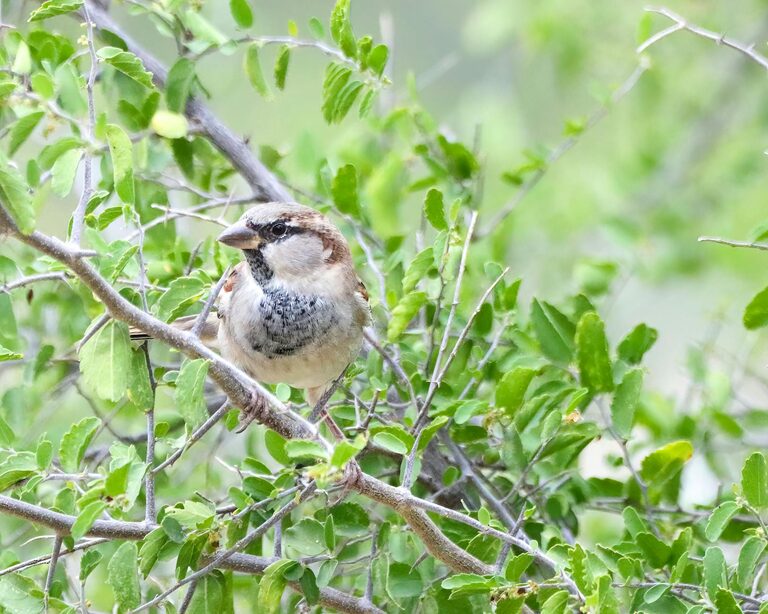
Birdwatching is a relaxing and rewarding hobby that anyone can enjoy, right from the comfort of their own backyard. Whether you live in the city or the countryside, observing birds can help you connect with nature, reduce stress, and learn about the fascinating behaviors of our feathered friends. If you’re new to birdwatching and unsure where to begin, this guide provides beginner-friendly tips to help you get started.
Why Birdwatching?
Birdwatching is more than just spotting colorful birds; it encourages patience, attention to detail, and appreciation for the environment. It requires minimal equipment and offers endless opportunities to learn about different species throughout the year. Plus, it’s a wonderful activity for all ages, either solo or with family and friends.
Setting Up Your Backyard for Birdwatching
Choose the Right Location
Start by selecting an area in your yard that is visible and safe for birds. A spot near trees or shrubs is ideal since birds often use these for shelter and perching. If you have a window with a good view, it can double as a birdwatching station.
Provide Food Sources
Bird feeders are a great way to attract birds to your backyard. Here are types to consider:
– Seed feeders: Fill with sunflower seeds, millet, or mixed seeds to attract sparrows, finches, and chickadees.
– Suet feeders: Suet cakes are favored by woodpeckers, nuthatches, and wrens.
– Nectar feeders: Hummingbirds love nectar, which you can easily prepare at home using sugar and water.
Make sure to place feeders where they are visible but not too close to areas with heavy foot traffic or predators like cats.
Water for Birds
Birds need water for drinking and bathing. A shallow birdbath or even a small dish with fresh water can attract many species. Keep the water clean and change it regularly, especially during hot weather.
Natural Plants
Planting native shrubs, flowers, and trees offers food and shelter to birds. Berry-producing plants and those with seeds provide natural nutrition, while dense foliage creates safe nesting spots.
Essential Tools for Beginners
Binoculars
A quality pair of binoculars will help you see birds clearly without disturbing them. Look for compact and lightweight models with about 8x magnification, which are perfect for backyard viewing.
Field Guide or Identification Apps
A bird field guide or smartphone app can help you identify birds you see. Many apps allow you to enter characteristics like size, color, and song to find a match easily.
Notebook or Bird Journal
Keeping a journal with notes and sketches can enhance your experience. Record the species you spot, dates, behaviors, and weather conditions. Over time, you’ll see patterns and recognize seasonal changes in bird activity.
Tips for Successful Birdwatching
Be Patient and Quiet
Birds can be shy, so move slowly and minimize noise. Settle into a comfortable spot and watch quietly for several minutes. Unexpected visitors often appear when you least expect them.
Observe Bird Behavior
Pay attention not just to birds’ appearance but also their actions. Notice how they feed, interact, or fly. Behavior clues help with identification and deepen your appreciation of their lifestyles.
Watch at Different Times of Day
Bird activity changes throughout the day. Early mornings and late afternoons are usually best for birdwatching, as many species are more active during these cooler hours.
Keep Feeders and Baths Clean
Regular maintenance prevents the spread of diseases among birds. Clean feeders and birdbaths every one to two weeks using warm soapy water, and rinse thoroughly.
Common Backyard Birds You Might See
Here are some birds frequently found in many backyards:
– American Robin: Recognizable by their orange chest and melodic song.
– Northern Cardinal: Bright red males and warm brown females with a distinctive crest.
– House Finch: Small birds with red heads and streaky brown bodies.
– Blue Jay: Vibrant blue feathers and loud calls.
– Mourning Dove: Soft gray with a gentle cooing sound.
– Chickadee: Tiny birds with black caps and friendly, curious nature.
As you gain experience, you’ll discover more species unique to your region.
Joining the Birdwatching Community
Connecting with other enthusiasts can enhance your enjoyment. Consider:
– Joining local birdwatching clubs or online groups.
– Participating in bird counts or citizen science projects.
– Visiting local parks or nature reserves to expand your experience.
These activities offer opportunities to learn from experts and share your sightings.
Final Thoughts
Backyard birdwatching is a simple hobby that offers countless moments of joy and wonder. By preparing your yard, using basic tools, and practicing patience, you’ll soon find yourself spotting a variety of birds and gaining a deeper connection to nature. So, grab your binoculars, set up a feeder, and start your birdwatching adventure today!
Happy birdwatching!